HONDA 16400-P0A-A60 Throttle Body Automatic
fits model: Lx, Ex, Accord. make: Honda. year: 1994–1995.
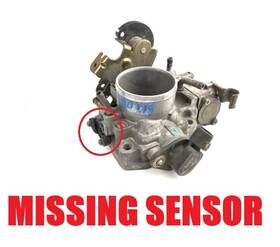
( Manufacturer Part Number: 16400-P0A-A60 ), ( Type: Throttle Body )
Review HONDA Throttle Body Assy Automatic Used Oem fits ACCORD LX EX 1994–1995
The **Honda 16400-P0A-A60 Throttle Body** is a meticulously engineered component designed exclusively for the **1994 and 1995 Honda Accord LX and EX models** equipped with the **A60 2.2L 4-cylinder engine** and an **automatic transmission**. This throttle body is a critical part of the vehicle s fuel injection system, responsible for regulating airflow into the engine while working in tandem with the **Multi-Port Fuel Injection (MPFI)** setup. Crafted from high-quality materials, including durable plastic and precision-machined metal components, this throttle body ensures smooth and responsive throttle operation, contributing to optimal engine performance, fuel efficiency, and emissions compliance. The **P0A-A60 designation** confirms its exact fitment, eliminating the risk of compatibility issues with aftermarket or incorrect replacements. Whether replacing a worn-out or damaged original unit or upgrading for improved throttle response, this throttle body delivers reliability and performance tailored to the specific needs of your **1994-1995 Honda Accord**. Its seamless integration with the engine s electronic controls ensures accurate throttle positioning, reducing hesitation and enhancing overall drivability. Built to Honda s stringent quality standards, this part is a direct-fit replacement, designed to restore your vehicle s factory specifications with ease. Ideal for both professional mechanics and DIY enthusiasts, it offers a straightforward installation process, making it a practical choice for maintaining or restoring the performance of your classic Accord.
### **Pros and Cons of Buying a 1994-1995 Honda Accord (1.6L 4-Cylinder, LX/EX Automatic, P0A-A60 Throttle Body)**
#### **Pros**
1. **Reliability and Durability**
- The 1.6L E-series engine (used in these models) is known for its longevity when maintained properly. Many examples easily exceed 200,000 300,000 miles with basic upkeep.
- Honda s reputation for build quality means fewer catastrophic failures compared to some domestic or budget competitors.
2. **Affordability**
- These models are inexpensive to purchase, often ranging between $1,500 $3,500 in good condition. This makes them a great entry point for budget-conscious buyers.
- Parts are widely available and relatively cheap, especially for common wear items like belts, bushings, and suspension components.
3. **Simplicity and Ease of Maintenance**
- The engine and drivetrain are straightforward compared to modern turbocharged or complex transmissions. Basic repairs (e.g., valve adjustments, timing belt replacement) are manageable for DIYers.
- The automatic transmission (A60) is a simple 3-speed unit with fewer failure points than later models more complex automatics.
4. **Fuel Efficiency**
- The 1.6L engine achieves around **22 26 MPG combined**, which is decent for its class, especially compared to larger V6 models of the era.
- Cheap, widely available gasoline further reduces running costs.
5. **Availability of Parts and Support**
- Honda dealerships and independent shops still service these models, and parts are readily stocked. The P0A-A60 throttle body is a common component, so replacements are easy to find.
- Online communities (e.g., Honda forums, eBay, Craigslist) make it simple to source used parts or find help with diagnostics.
6. **Comfortable and Practical Interior**
- The cabin is spacious for its size, with decent headroom and legroom. The LX/EX trims offer basic but functional features like power windows, locks, and AM/FM radios.
- The automatic transmission provides smooth, predictable shifting for daily driving.
7. **Low Running Costs (If Maintained)**
- Oil changes, spark plugs, and basic maintenance are inexpensive. The engine s simplicity means fewer expensive repairs over time.
- No advanced electronics or sensors to fail compared to modern cars, reducing long-term hassles.
8. **Good Resale Value for a Used Car**
- Even after years of ownership, these Accords hold value better than many contemporaries due to their reliability.
---
#### **Cons**
1. **Outdated Technology and Comfort**
- The interior lacks modern amenities like cruise control (standard only on higher trims), power-adjustable seats, or advanced safety features (e.g., ABS is optional on LX, standard on EX).
- Climate control is basic (manual or simple automatic), and sound insulation is poor compared to later models.
2. **Poor Fuel Economy Compared to Modern Standards**
- While decent for the 1990s, **22 26 MPG** is far below today s standards (e.g., modern hybrids or small cars average 30 50 MPG).
- Higher fuel costs today make long-distance driving more expensive than in the car s heyday.
3. **Rust and Corrosion Risks**
- Many 1990s Hondas suffer from rust, particularly in the wheel wells, rocker panels, and undercarriage. A thorough inspection is critical.
- Salt damage is common in snowy climates, which can lead to expensive repairs if ignored.
4. **Throttle Body Issues (P0A-A60)**
- The **P0A-A60 throttle body** is notorious for carbon buildup, sticking, or failure over time. Symptoms include rough idling, stalling, or check engine lights (often with P0120, P0121, or P0122 codes).
- Cleaning or replacing the throttle body can be costly ($100 $300) and may require frequent attention if not properly maintained.
5. **Transmission Wear**
- The A60 automatic is durable but can develop **slippage, rough shifting, or fluid leaks** over time. Fluid changes are essential (every 30,000 60,000 miles), but many owners neglect this.
- Later models (post-1995) introduced improvements, so these Accords may have slightly less refined transmissions.
6. **Suspension and Handling Limitations**
- The suspension is stiff and noisy, with soft bushings that wear out quickly. Replacing sway bars, control arms, and bushings is common.
- Handling is adequate but not sporty expect a firm ride and less comfort than modern cars.
7. **Emissions and Modern Compliance**
- These cars may not meet modern emissions standards in some areas, potentially requiring expensive modifications (e.g., EGR deletions, catalytic converter swaps) to pass inspections.
- Some states have stricter regulations on older vehicles, making registration or insurance more difficult.
8. **Limited Safety Features**
- No **airbags** (standard side-impact airbags were introduced in later 1990s models). The LX trim lacks even basic safety features like ABS (standard on EX).
- Poor visibility in some areas (e.g., blind spots) due to minimal side mirrors and small windows.
9. **Depreciation and Long-Term Viability**
- While reliable, these cars are **not built to last indefinitely** like modern Hondas. Expect increased maintenance costs as they age beyond 200,000 miles.
- Parts may become harder to find as production ends, and labor costs for repairs could rise.
10. **Noise and Vibration**
- The cabin is **loud**, with noticeable road noise, wind noise, and engine vibration. Sound deadening is often added by owners to improve comfort.
- The 1.6L engine can be **peppy but noisy**, especially at higher RPMs.
---
### **Ending Conclusion**
The **1994 1995 Honda Accord (1.6L LX/EX automatic)** is a **great budget-friendly choice** for buyers who prioritize **reliability, affordability, and simplicity** over modern comforts. It s ideal for:
- **Daily commuters** who need a cheap, dependable car.
- **DIYers** who enjoy working on their own vehicles.
- **Those in warm climates** with minimal rust concerns.
- **People who don t drive excessively** and can handle basic maintenance.
However, it s **not the best choice** for:- **Long-distance drivers** due to poor fuel economy.
- **Buyers who want modern safety, comfort, or technology**.
- **Those in snowy/rust-prone areas** without proper upkeep.
- **People who dislike noise, vibration, or stiff suspensions**.
**If you find one in excellent condition with a clean service history, minimal rust, and a well-maintained throttle body/transmission, it can be a solid purchase.** But if you re open to spending slightly more, a **1996 Accord (with improvements like ABS, better transmissions, and rust-resistant body panels)** or a **later-generation Honda (e.g., 2000 Civic or Accord)** may offer better long-term value.
---
### **Recommendation**
**Buy it if:**You re on a tight budget and can afford basic repairs.
You plan to drive **under 15,000 miles per year** and maintain it properly.
You re comfortable with **noisy, stiff rides** and outdated features.
You find one with:- **No major rust** (check undercarriage, wheel wells, and frame).
- **Clean throttle body** (no carbon buildup or sticking).
- **Fresh transmission fluid** (dark, burnt-smelling fluid is a red flag).
- **No check engine lights** (or verified codes that are easily fixable).
- **A service history** (especially for timing belt, spark plugs, and suspension).
**Avoid it if:**You need **modern safety features** (ABS, airbags, stability control).
You drive **high mileage** (over 200,000 miles) without recent maintenance.
You re in a **snowy or salted-road climate** without rust-proofing.
You dislike **noise, vibration, or basic interiors**.
You want **better fuel economy** or **long-term reliability** (consider a newer used Honda).
**Final Verdict:**This Accord is a **great starter car or project vehicle** for the right buyer, but it s **not a "set it and forget it"** long-term purchase. If you re prepared for its quirks and limitations, it can be a rewarding and cost-effective choice. Otherwise, look for a slightly newer model with modern upgrades.
Details:
Item Details. They may show signs of previous use, so please review the photos carefully for details.
part #: 16400p0aa60 prices
- $99.00-$170.62
specifications throobo:
- for models: Lx, Ex, Accord
- for makes: Honda
- for years: 1994-1995
- mpn: 16400-p0a-a60
- type: Throttle Body
payments throobo:
- other
- credit card: Discover
- wallet: Paypal
general throobo:
- Car Truck Parts Accessories > Air Fuel Delivery > Throttle Bodies
- condition: Used
shipping throobo:
- type: Fixed
- transit: 4-10 Days
- carrier: USPS
- class: Expedited
- service: USPS Priority Mail
- cost: $0.00
seller throobo:
- rating: 99.8%
- # reviews: 12396
- city: Sun Valley, California
offer throobo:
- best offers: True
- options: Ship-to-home
- quantity: 1
- started: February 2, 2026
- sold: 0
- availability: In Stock
returns throobo:
- paid by: Seller
- policy: Returns Accepted
- time: 30 Days
Honda 16400-P0A-A60 Is Similar To:
- 06160-ppa-a11 02-04 Honda Cr-v Throttle Body (32.3% similar) Taps sensor has been replaced with a brand new one aftermarket. This part is to fix check engine light with code P0122 taps sensor. Free USPS priority mail in USA only. I took the part to be fix now there is a new sensor on the part, now the part is working again. Part pap A11 oem item comes with ...(December 16th, 2016)
- 132 21002 001 Wd Express Genuine Fuel Injection Throttle Body Fits Honda Accord (33.9% similar) Be extra careful that you are purchasing the right item so will not have any fitment issues. Genuine fuel injection throttle body fits honda accord accord,element price is for 1 - adjust qty as needed...(September 23rd, 2018)
- 132 21008 001 Wd Express Genuine Fuel Injection Throttle Body Fits Honda (31.6% similar) Genuine fuel injection throttle body fits honda Cr-v Ed express price is for 1 - adjust qty as needed. This part fits vehicles made in the following years 2007 , 2008 , check fitment information for qty your vehicle requires. Ed express supplied your vehicles manufacturer with the fuel injection ...(March 3rd, 2018)
- 136800-0541 1368000541 Denso Oem Honda Civic Dx Engine Throttle Body Iddle Valve (28.9% similar) The item has small scratches or normal wear due to fact that these are used oem parts. Oem honda civic DX - the item damage is noted, shown on pictures or part sold as for parts not working. 7l l4 engine throttle body w idle valve sensor ICC 01-05VEHICLE and: vehicle make: honda model civic year ...(July 28th, 2018)
- 16176-p30-004 Honda Integra Gsr Ls Oem Throttle Body Gasket With Fast (33.5% similar) All photos are of the actual item. Will not fit b-series throttle body without fast idle valve. For sale: brand new oem honda b-series throttle body gasket...(April 24th, 2018)
- 16176-p8a-a01 Honda Genuine Oem Throttle (25.4% similar) Pang 0PX no-repeat margin: padding: border: outline: vertical-align: middle -style: italic position: relative display: inline-block width . Part info part no P8A-A01PART gasket, throttle . 75EM cursor: pointer ACCORD20022 door ex V6, 2 lx 4 KIA 4ATACCORD20012 EXV6, LXV6KA 4ATACCORD20002 ...(January 3rd, 2018)
- 16176-rta-004 Honda 16176rta004 Genuine Oem (31% similar) Image not available for this item...(January 7th, 2018)
- 16400-5a0-a02 Honda Accord Sedan Throttle Body (48.5% similar) Item is used but fully functional...(September 25th, 2018)
- 16400-5j6-a01 Honda Oem Pilot Acura (29.8% similar) Oem honda pilot aura DX J37 70MM throttle body 5J6-A01OEM genuine PART79MM inlet'stock adapters taper from intake manifold id to 70MM outlet, all others are designed for...(July 21st, 2017)
- 16400-ggz-j41 Honda Nc Throttle Body Assembly New Oem 766856446415 (48.7% similar) New oem honda body assembly. The picture could be generic. New oem honda body assembly. Throttle oem part number: 16400-GGZ-J41 qty 1 item only fits specific model's listed...(September 8th, 2018)
- 16400-mew-l01 Honda Nt Body Assembly New Oem 766856135463 (32.2% similar) GQ66C oem part number: 16400-MEW-L01 qty 1 item only fits specific model's listed. New oem honda body assembly. The picture could be generic. New oem honda body assembly...(September 12th, 2018)