MINI 9819938580 Jcw High Pressure Fuel Pump 1.6T
fits model: Turbo, Cooper. year: 2007–2013.
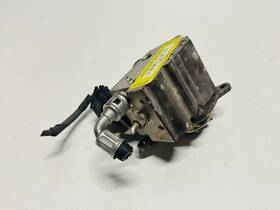
( Brand: Mini ), ( Manufacturer Part Number: 9819938580 ), ( Part Type: Pressure Fuel Pump ), ( Ipn: N18 1.6l 5888798008 ), ( Manufacturer Warranty: 30 Day Warranty )
Review MINI Coopers Jcw High Pressure Fuel Pump Oem 1.6t fits COOPER TURBO 2007–2013
The **Mini 9819938580 High-Pressure Fuel Pump (HPFP)** for the **2007 2013 Cooper S, JCW, and 1.6T Turbo models** is a precision-engineered component critical to the performance and reliability of these iconic British sports cars. Engineered specifically for the **R44 1.6L turbocharged inline-four engine**, this fuel pump is designed to deliver a consistent and high-pressure fuel supply to the direct-injection system, ensuring optimal combustion efficiency and power output. Crafted from high-grade materials, the pump features a robust **mechanical drive mechanism**, typically integrated into the fuel rail assembly, which operates with minimal wear, even under the demanding conditions of high-performance driving. Its **sealed internal components** prevent fuel leakage and contamination, safeguarding the engine s delicate fuel delivery system while maintaining peak performance across a wide range of operating temperatures. The **OEM-quality construction** guarantees compatibility with the original engine management system, providing seamless integration with the ECU s fueling strategy, whether in daily driving or spirited acceleration scenarios. Whether restoring a classic Cooper S or maintaining a high-mileage JCW, this fuel pump is a vital upgrade or replacement part that upholds the integrity of the engine s fueling process, reducing the risk of misfires, poor throttle response, or long-term fuel system degradation. Its durability and precision make it an essential component for enthusiasts seeking to preserve or enhance the legendary driving dynamics of these Mini models.
### **Pros and Cons of Buying a 2007 2013 Mini Cooper JCW 1.6T Turbo with the High-Pressure Fuel Pump (Part No. 9819938580)**
#### **Pros**
1. **Performance and Driving Experience**
- The 1.6L turbocharged engine (N54 in later models) delivers strong power (around 200 220 hp in JCW trim), making it a fun and responsive daily driver, especially for its class.
- The JCW (John Cooper Works) badge indicates a sportier suspension, steering, and braking setup compared to standard Mini Cooper models, improving handling and track capability.
- The turbocharged engine provides a good balance of power and efficiency for a small car, though fuel economy is modest ( 18 22 MPG combined).
2. **Reliability (with Proper Maintenance)**
- The N54 engine (introduced in 2007) is robust if maintained correctly. Common issues like oil consumption or timing chain stretch can be mitigated with regular service.
- The high-pressure fuel pump (part no. 9819938580) is a critical component for direct injection, and replacing it is often necessary as it fails (typically around 80,000 120,000 miles). A new or reconditioned pump can restore performance and prevent fuel system issues.
- The turbo itself is durable if the engine is well-tuned and not over-revved excessively.
3. **Aftermarket Support and Mod Potential**
- The Mini Cooper platform has a strong aftermarket, with tuners (e.g., MiniTurbo, MHD, or standalone ECU flashes) available to boost power further.
- Upgrades like cold air intakes, exhausts, or suspension kits are widely available, allowing owners to tailor the car to their preferences.
- The car s compact size and rear-wheel-drive layout make it a popular choice for drifting and track use, with a dedicated community for modifications.
4. **Resale Value and Collectibility**
- Early JCW models (especially 2007 2012) are gaining a cult following, and well-maintained examples hold value better than average for their class.
- The limited production numbers of JCW trims (compared to standard Coopers) make them more desirable to enthusiasts.
5. **Daily Usability**
- The car is practical for city driving, with a tight turning radius and good visibility, though rear legroom is limited.
- The turbocharged engine provides adequate power for highway passing, though it may feel underpowered compared to modern turbocharged cars.
---
#### **Cons**
1. **Common Reliability Issues**
- **High-Pressure Fuel Pump:** This part is notorious for failing prematurely (often between 60,000 100,000 miles), leading to misfires, rough idling, or complete engine stalls. Replacement costs can range from $500 $1,200 depending on labor and whether you use a new or reconditioned unit.
- **Oil Consumption:** The N54 engine is known for burning oil, especially in higher-mileage examples. This can lead to smoke from the exhaust and require frequent top-ups or even a valve cover gasket replacement.
- **Timing Chain and Tensioners:** While less common than in earlier BMW engines, the N54 s timing chain can stretch over time, leading to timing issues. Regular inspections are recommended.
- **Water Pump and Thermostat:** The water pump often fails around 80,000 100,000 miles and is typically paired with the thermostat, requiring a costly coolant flush and replacement.
- **Turbocharger:** While durable, the turbo can fail if the engine runs low on oil or if the intercooler fails (leading to overheating). Replacement costs can exceed $1,500.
2. **Maintenance Costs**
- The Mini platform is known for expensive parts and labor, especially in the U.S. where labor rates are high. Common jobs like spark plugs, coils, or suspension components can cost significantly more than on other cars.
- The direct injection system (common to the N54) can develop carbon buildup on intake valves, requiring periodic cleaning or valve polishing to maintain performance.
3. **Fuel Economy and Running Costs**
- The turbocharged engine sacrifices fuel efficiency for power. Expect around 18 22 MPG in the city and 25 30 MPG on the highway, which is worse than naturally aspirated alternatives.
- High-mileage examples may require frequent oil changes (every 5,000 7,500 miles) due to oil consumption, adding to running costs.
4. **Comfort and Practicality**
- The suspension is firm and sport-tuned, which can make for an uncomfortable long-distance drive compared to softer-set cars.
- Rear seating is tight, and the trunk space is modest, making it less ideal for families or those who need to carry large items frequently.
- The interior is basic by modern standards, with plastic trim and limited tech features (unless upgraded).
5. **Depreciation**
- While JCW models hold value better than standard Coopers, they still depreciate significantly over time. A 2007 2013 JCW will likely never be worth as much as a newer or luxury car.
- The cost of parts and labor can erode profit if the car is sold before it reaches high-mileage reliability.
6. **Driving Quirks**
- The turbo lag can be noticeable at low RPMs, especially when cold.
- The gearbox (especially in early models) can be noisy and less precise than modern automatics or dual-clutch transmissions.
- The car s weight distribution (heavy rear due to the turbo and exhaust) can make it feel less balanced than some competitors.
---
### **Ending Conclusion**
The **2007 2013 Mini Cooper JCW 1.6T Turbo with the high-pressure fuel pump (part no. 9819938580) replacement in mind** is a compelling purchase for **enthusiasts who prioritize driving fun, mod potential, and a cult following over practicality or long-term cost efficiency**. It offers a **strong power-to-weight ratio, a sporty driving experience, and a dedicated aftermarket**, making it ideal for those who enjoy tinkering with their car and appreciate its quirks.
However, **buyers must be prepared for higher maintenance costs, potential reliability issues (especially with the fuel pump, oil consumption, and water pump), and a less comfortable daily-driver experience**. If you re willing to invest time and money into upkeep, this Mini can be a **rewarding and enjoyable car** but it s not a set-and-forget purchase.
For **casual drivers or those seeking a reliable daily car**, a newer or less modified Mini (or a different brand altogether) may be a better choice. But for **Mini purists, track enthusiasts, or those who enjoy working on their car**, the JCW 1.6T remains a fantastic option.
---
### **Recommendation**
1. **If Buying New or Used:**- **Prioritize a well-maintained example with a service history**, especially focusing on oil changes, fuel pump replacements, and water pump checks.
- **Budget for the high-pressure fuel pump replacement** (expect to spend $500 $1,200 at some point) and factor in other common repairs (oil consumption, timing chain, water pump).
- **Consider a 2010 2013 model**, as later N54 engines (with minor updates) may be slightly more refined than the earliest 2007 2009 examples.
2. **If Modding or Racing:**- The JCW platform is **excellent for drifting and track use**, especially with suspension upgrades and a tuned engine. Many enthusiasts build these cars into **high-performance track machines**.
- If you plan to modify, **start with a reliable base** don t skimp on the fuel pump or oil system.
3. **If Seeking a Daily Driver:**- **Avoid high-mileage examples without proof of fuel pump replacement** this is the single biggest reliability concern.
- **Consider a manual transmission** if you prefer driving engagement, though automatics (in later models) are more refined.
- **Be prepared for higher running costs** factor in premium fuel, frequent oil changes, and potential suspension/brake upgrades.
4. **Alternatives to Consider:**- If you love the Mini but want something more reliable, look at a **2014 Mini Cooper S (N20 engine)** or a **BMW 1 Series (N52/N54)**.
- For a more practical yet sporty car, a **Volkswagen GTI or Audi TT** might offer better long-term reliability.
- If budget is a concern, a **used 2007 2013 Mini Cooper S (non-JCW) with a known fuel pump replacement** could be a more affordable entry point.
**Final Verdict:**Buy the **2007 2013 Mini Cooper JCW 1.6T Turbo** if you **love the Mini platform, are prepared for maintenance, and want
Details:
Genuine OEM auto part removed from a vehicle. Minor cosmetic wear such as light scratches or scuffs may be present. Please review all images carefully for condition and details. Item is sold as shown.
Important: Match part number before purchase.
part #: 9819938580 prices
- $199.99-$766.79
specifications throobo:
- for models: Turbo, Cooper
- for years: 2007-2013
- brand: Mini
- mpn: 9819938580
- part type: Pressure Fuel Pump
- ipn: N18 1.6l 5888798008
- manufacturer warranty: 30 Day Warranty
offer throobo:
- started: April 25, 2026
- quantity: 1
- availability: In Stock
- options: Ship-to-home
- sold: 0
shipping throobo:
- type: Fixed
- transit: 3-6 Days
- cost: $17.85
- service: USPS Priority Mail
- carrier: USPS
- class: Expedited
general throobo:
- condition: Used
- Car Truck Parts Accessories > Air Fuel Delivery > Throttle Bodies
seller throobo:
- rating: 99.3%
- # reviews: 1571
- city: Spring
returns throobo:
- policy: Returns Accepted
- time: 30 Days
- paid by: Buyer
payments throobo:
- credit card: Diners-club
- wallet: Paypal
- other
Mini 9819938580 Is Similar To:
- 11025410 0021935 Mini Cooper Air Intake Inlet Pipe Hose (31.3% similar) They can be easily damaged while in transit from simply being tossed by a carrier. There may be light scuffs, scratches or other imperfections as a result of this being used part. All Mercedes gear sifters and ignition key slots that have immobilizer chip build-in, to be programmed your vehicle. ...(November 26th, 2018)
- 13-54-7-509-043 Mini Cooper Throttle Body (28.8% similar) Great tires, price, shipping. A both tires and wheels like new. Mini accessories motoring gear German of Tampa bay - us hwy 19 north, palm harbor fl a great opportunity on cooper R50 hardtop and R52 convertible throttle body housing. They arrived quickly and in great shape. Please with any questions...(June 8th, 2017)
- 1354750904302 Mini 2002-2008 Cooper Throttle (36.4% similar) Must be in original condition, or it does not qualify. No warranty on electric parts cosmetic damage or imperfections are a result of the item being pre-owned. Warranty:all parts are tested before removal from the vehicle. Money back or replacement. Free shipping for all parts under 20 lb some ...(November 13th, 2017)
- 13547619008 Pams Throttle Body For Mini Cooper Assy Ran Nice Minicoope (23.1% similar) Is it for sale. A: sorry, but you cannot. Q: I see a different part on this vehicle that would like to buy...(May 21st, 2018)
- 137 06090 001 Wd Express Fuel Injection Air Flow Meter Fits Mini Cooper (14.9% similar) Delivered by passionate car enthusiasts that care. All documentation and parts must be included in the original packaging for return to accepted...(April 5th, 2018)
- 408 238-627-001 408 238-627-001 Mini Cooper 2002 (19.2% similar) ...(April 26th, 2017)
- 7528172 Mini Cooper Engine Intake Throttlebody Manifold (31.8% similar) 6l engine oem part. Nice working intake and throttle body came off 2007 Mini cooper base model N12...(August 30th, 2018)
- 7576697 2007-2013 Mini Cooper Base R55 (38.3% similar) Intake throttle pulled from a 2013 Mini cooper base hardtop...(February 21st, 2017)
- A2c59511709 Siemens Fuel Injection Throttle Body Assembly Fits Mini Cooper (14.6% similar) They operate at exact oe specifications and provide the quality of components supplied to auto manufacturers worldwide. State id, Canadian province us. Military id, Mexican voter registration card, passport, us. Postal service...(September 7th, 2018)
- Clubman 177143399lkq Mini Cooper Throttle Body Valve Assembly Oem (31% similar) No photos of the actual item are available...(July 25th, 2018)
- Cooper Lkq 123723549 Mini 2008 (20.2% similar) 6L, SW, club man Mini cooper base Paceman countryman 2013 throttle body assembly 74K oem this online listing is in good, used, working condition...(May 22nd, 2017)