CHEVROLET 266067 Throttle Body Valve Sensors 3.4L
fits model: Venture. make: Chevy, Chevrolet. year: 2000–2005.
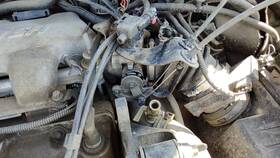
( Brand: Chevrolet ), ( Manufacturer Part Number: 266067 ), ( Part Type: Valve Throttle Sensor ), ( Id: C3ef2fe0-1154-4deb-831a-f7c98586f715 ), ( Interchange: 337-5335 )
Review CHEVROLET Chevy Throttle Body Valve Oem Sensors 3.4l fits VENTURE 2000–2005
The **Chevrolet 266067 Throttle Body Valve Sensor Kit (2000 2005 3.4L V6 Venture)** is a precision-engineered replacement component designed to restore optimal performance and fuel efficiency to your vehicle s throttle body system. This high-quality kit includes essential components such as the **throttle position sensor (TPS)**, **throttle body actuator**, and **accelerator cable linkage**, all meticulously crafted to match the exact specifications of the original equipment manufacturer (OEM). The throttle position sensor, a critical component in the engine s fuel injection system, accurately monitors throttle blade position and transmits real-time data to the engine control module (ECM), ensuring precise fuel delivery and ignition timing. Over time, wear, contamination, or electrical failure can cause the sensor to malfunction, leading to symptoms like rough idling, stalling, hesitation during acceleration, or even failure to start. The included **throttle body actuator** operates the throttle blade smoothly, eliminating sticking or erratic movement that can disrupt engine performance. Additionally, the **accelerator cable linkage** ensures seamless connection between the driver s pedal and the throttle mechanism, preventing misalignment or excessive play that could lead to inconsistent throttle response. This kit is compatible with the **3.4L V6 engine** found in the **2000 2005 Chevrolet Venture**, Silverado, and other GM vehicles of the same era, providing a direct drop-in solution for those experiencing sensor-related issues. Whether addressing a failing TPS, a sticky throttle plate, or a worn actuator, this replacement part is built to deliver reliable performance, improved throttle response, and enhanced drivability. Installing this kit is a straightforward process, often requiring only basic tools, and it serves as an effective preventive measure to avoid more costly engine management system repairs down the road.
### **Pros and Cons of Buying a 2000-2005 Chevrolet Venture with a 3.4L Engine and Throttle Body Valve Sensors Issue**
#### **Pros**
1. **Reliability of the 3.4L Engine**
- The 3.4L V6 engine in the Chevrolet Venture (based on the Oldsmobile Silhouette) is known for being a durable and straightforward powerplant. It is less prone to major mechanical failures compared to some other engines of its era, especially if maintained properly.
- The engine is relatively simple, with fewer components that can fail catastrophically (unlike turbocharged or high-performance engines). Common issues like head gasket failures are rare in this engine.
2. **Availability of Parts and Service**
- As a mid-2000s minivan, the Venture has a decent supply of aftermarket and OEM parts. The throttle body and valve sensors are relatively easy to replace, and there are numerous tutorials and guides available online for DIY repairs.
- Many auto repair shops are familiar with this platform, making it easier to find mechanics who can diagnose and fix issues.
3. **Fuel Efficiency and Practicality**
- The 3.4L engine offers decent fuel economy for a minivan around 18-20 MPG combined, which is reasonable for its class. This is better than some larger V8-powered minivans from the same era.
- The Venture s size and cargo space make it practical for families or those needing to transport gear, luggage, or equipment. The sliding doors and high seating position also make it easier to load and unload.
4. **Lower Cost of Ownership (Compared to Some Alternatives)**
- The Venture is not a luxury minivan, so its repair costs are generally lower than those of a Chrysler Town & Country or Dodge Grand Caravan. Insurance and maintenance expenses are also typically cheaper.
- If you find one in good condition, the upfront cost is often lower than buying a newer minivan, which can offset repair expenses.
5. **Potential for Customization and Modifications**
- The throttle body and valve sensors are relatively easy to upgrade or replace with aftermarket parts, which can improve performance or resolve issues like stalling or rough idling.
- The engine s simplicity allows for modifications like cold air intakes, exhaust upgrades, or even minor tuning to improve power without excessive complexity.
6. **Resale Value (If Well-Maintained)**
- While not a high-demand vehicle, a clean, well-documented Venture with a reliable engine can still fetch a decent resale price, especially if it has a service history. This can be a plus if you plan to sell it later.
---
#### **Cons**
1. **Throttle Body and Valve Sensor Issues**
- The most significant drawback of this vehicle is the throttle body and valve sensors, which can cause stalling, rough idling, or failure to start. These sensors are known to fail over time, especially if the vehicle is driven in stop-and-go traffic or in hot climates.
- Replacing the throttle body and sensors can be costly if done professionally, though DIY replacement is possible with the right tools and guidance. The sensors may also need to be recalibrated after replacement, which can add to the expense.
- If the issue is not addressed, it can lead to a frustrating driving experience with intermittent failures.
2. **Transmission Problems**
- The 4T65E automatic transmission (common in this vehicle) is known for its reliability, but it can develop issues like delayed shifting, rough gear changes, or even complete failure if fluid is not changed regularly. Neglecting transmission fluid changes can lead to costly repairs.
- Some owners report that the transmission becomes less responsive over time, especially if the vehicle is driven hard or in extreme conditions.
3. **Electrical and Sensor-Related Problems**
- The 2000s era minivans are notorious for electrical gremlins, including faulty sensors, wiring issues, and computer glitches. The Venture is no exception, and the throttle body sensors are part of this trend.
- Other sensors (like the mass airflow sensor, oxygen sensors, or crankshaft position sensor) can also fail, leading to check engine lights and performance issues. These repairs can add up quickly.
4. **Rust and Body Corrosion**
- Many minivans from this era, especially those driven in snowy or humid climates, suffer from rust. The Venture s undercarriage, wheel wells, and frame can corrode over time, leading to structural issues.
- Rust can also affect the suspension components, leading to leaks or failure. Inspecting the vehicle thoroughly for rust before purchase is critical.
5. **Interior Wear and Tear**
- The interior of a 2000-2005 Venture may show signs of aging, such as cracked dashboard plastics, worn-out upholstery, or failing air conditioning. While not a mechanical issue, these can detract from the driving experience and add to maintenance costs.
- The sliding doors can also become stiff or leaky over time, requiring lubrication or seals to be replaced.
6. **Safety Concerns**
- The Venture lacks modern safety features like stability control, side airbags (in some models), or advanced crash protection systems. While it is not inherently unsafe, it may not perform as well in a collision as a newer vehicle.
- The lack of modern driver-assistance features (like blind-spot monitoring or lane-keeping) can be a drawback for safety-conscious buyers.
7. **Depreciation and Market Demand**
- The Venture is not a highly sought-after vehicle, and its resale value depreciates quickly. If you plan to keep it long-term, you may not recover much of your investment when selling.
- Finding parts or mechanics familiar with this specific model can be more challenging than for more common vehicles.
8. **Potential for Hidden Mechanical Issues**
- Like any used vehicle, the Venture could have hidden problems such as:- Worn suspension components (shocks, struts, bushings).
- Leaking power steering or cooling systems.
- Failed water pumps or thermostats leading to overheating.
- Exhaust or emissions system issues (e.g., catalytic converter failure).
- A thorough pre-purchase inspection is essential to avoid unexpected repairs.
---
### **Conclusion**
Buying a 2000-2005 Chevrolet Venture with a 3.4L engine can be a practical and cost-effective choice if you prioritize reliability, practicality, and are prepared to address common issues like throttle body sensor failures. The engine itself is durable, and the vehicle offers good space and fuel efficiency for its class. However, the electrical and sensor-related problems, potential rust, and lack of modern safety features are significant drawbacks.
If you are mechanically inclined or have access to a trusted mechanic, the Venture can be a good project vehicle or a reliable daily driver, provided you budget for potential repairs. For someone who wants a hassle-free, low-maintenance vehicle, a newer or more modern minivan (or even a used SUV) might be a better option.
---
### **Recommendation**
1. **If You Buy It:**- **Inspect Thoroughly:** Before purchasing, have a mechanic perform a pre-purchase inspection with a focus on the throttle body, sensors, transmission, suspension, and rust. Look for signs of electrical gremlins, such as check engine lights or intermittent issues.
- **Budget for Repairs:** Allocate funds for replacing the throttle body and sensors (expect to spend $100 $300 for parts and labor if not doing it yourself). Also, plan for transmission fluid changes and potential suspension or electrical fixes.
- **Maintain Regularly:** Keep up with oil changes, transmission fluid changes, and sensor recalibrations to extend the vehicle s life. Address any minor issues promptly to prevent them from becoming major problems.
- **Consider a Warranty or Extended Coverage:** If possible, purchase an extended warranty or service contract to cover unexpected repairs.
2. **If You Don t Buy It:**- **Look for Alternatives:** Consider a newer minivan (like a 2010 2015 Chrysler Town & Country or Honda Odyssey) if you want modern safety features and lower maintenance risks. Alternatively, a used SUV or crossover (like a Toyota RAV4 or Honda CR-V) may offer better reliability and resale value.
- **Avoid High-Mileage Examples:** If you do decide to buy a Venture, aim for one with under 150,000 miles and a complete service history. Avoid vehicles with a history of flood damage, accidents, or neglect.
- **Test Drive Thoroughly:** Pay attention to how the vehicle idles, accelerates, and handles. Listen for unusual noises (e.g., rattles, whining, or grinding) and check for warning lights on the dashboard.
**Final Verdict:** The 2000-2005 Chevrolet Venture with a 3.4L engine can be a solid buy for the right buyer someone who is prepared for potential electrical and sensor issues but values the vehicle s practicality and durability. For most buyers, however, a newer or more modern vehicle with fewer known issues would be the smarter long-term choice.
Details:
Throttle Body/valve Assay. Search for more parts CHEVY VENTURE. This part will fit the following: BUICK RENDEZVOUS 02-03 Throttle Valve Assembly, 3.4L. CHEVROLET VENTURE 00-05 Throttle Valve Assembly, 3.4L.
part #: 266067 prices
- $63.75-$67.50
specifications throobo:
- for models: Venture
- for makes: Chevy, Chevrolet
- for years: 2000-2005
- brand: Chevrolet
- mpn: 266067
- part type: Valve Throttle Sensor
- id: C3ef2fe0-1154-4deb-831a-f7c98586f715
- interchange: 337-5335
payments throobo:
- wallet: Apple-pay
- credit card: Mastercard
- other
general throobo:
- Car Truck Parts Accessories > Air Fuel Delivery > Throttle Bodies
- condition: Used
shipping throobo:
- service: Standard
- cost: $0.00
- class: Standard
- transit: 2-6 Days
- type: Fixed
offer throobo:
- availability: In Stock
- started: April 22, 2026
- sold: 0
- quantity: 1
- options: Ship-to-home
returns throobo:
- policy: Returns Accepted
- time: 30 Days
- paid by: Seller
seller throobo:
- rating: 99.5%
- city: Brush, Colorado
- # reviews: 15989
Chevrolet 266067 Is Similar To:
- 053.8.aa.995aa.7904.c Unbranded Throttle Valve Body 2008 Chevrolet (33.8% similar) Shows normal signs of wear and use...(February 25th, 2018)
- 0617.aa.591hb383.b Gm Chevrolet Engine Electric Throttle Body (36.4% similar) B on plastic cover. Most parts sold have been washed in an industrial washer and checked for damage. Buyer should compare part numbers, photos, and to ensure fit. Has part number issue not related to this. Removed from engine that had been due to rod failure...(November 5th, 2018)
- 07197-2 Chevrolet Aveo Throttle Body Oem (49.2% similar) Just because your make, model and year are listed does not guarantee fitment as the manufacturer offers several different styles trims for each. No across the room shots or poor of items listed. This simply means it fits some model's years but not necessarily all vehicles within that model or year. ...(March 31st, 2018)
- 12568580 8125685800 Chevrolet Throttle Body Assembly 2006 (38.8% similar) Grading of parts very subjective process but our best keep uniform. If noted as assembly, it will include the lug wrench mass airflow sensor: does not housing unless pictured power steering pump: includes pulley and attached reservoir. Transfer case: does not include electric shift motor washer ...(March 8th, 2017)
- 12577029 Chevrolet 2006 Impala Throttle (38% similar) Please view item carefully upon purchase...(October 18th, 2017)
- 12605209 General Motors Throttle Body Chevrolet Corvette Camaro Oem Crate Motor (43.5% similar) Any concerns please feel free to contact me. Motor was for a circle track car. Throttle body is 100 functional, please see pictures. I have accounted for this is in the price. New, take-of throttle body from as LS3 crate motor. No gimmicks on anything I sell - great price, free shipping and item ...(June 23rd, 2018)
- 12631016 Gm Chevrolet Gmc Oem (25.2% similar) ...(March 17th, 2017)
- 12651346 Chevrolet Throttle Body For (44.1% similar) All notes in that section box must be matched to verify fitment for your vehicle. The part will come with all sensors and idle controls on it unless noted above in notes section. A: sorry, but you cannot. H4WUSEQCKBE7LMQPQWHWCG Z0445 our throttle valves and bodies come with a premium lifetime ...(September 25th, 2017)
- 12673014 Acdelco Gm Original Equipment Fuel Injection Throttle Body Fits Chevrolet (39% similar) Superseded part numbers this item may have been from a different number manufacture. This part fits vehicles made in the following years 2016 , 2017 , 2018...(August 7th, 2018)
- 13771406 Aftermarket Products New Throttle Body Chevy Yukon Savana Chevrolet Silverado (32.1% similar) The items are brand new parts that look and fit same as original, except at a much better price...(November 4th, 2018)
- 17087019 1619jnl Chevrolet Silverado Throttle Body (40.9% similar) Removed from my running Silverado. Needs throttle body sensor...(April 16th, 2018)